










![How to Make DIY Dishwasher Tabs That Actually Work [Step-by-Step Guide]](https://thefrugalones.com/wp-content/uploads/2025/06/Screenshot-2025-06-15-025339.jpg)
Dishwasher tabs seem small, but their cost, plastic wrappers, and long ingredient lists add up. That’s why many people make their own. With a few common kitchen items, you can easily create dishwasher tabs at home. They clean just as well as store-bought ones, use fewer chemicals, and let you feel better about running your dishwasher. Most DIY dishwasher tabs use simple ingredients like baking soda, citric acid, and salt, with a bit of dish soap for extra cleaning power. Want your dishes to smell fresh? Add some essential oils. Making your own tabs saves money and puts you in control of what cleans your dishes. It’s a smart choice for your budget, your home, and the planet.
Author: Diana
7 min read
0
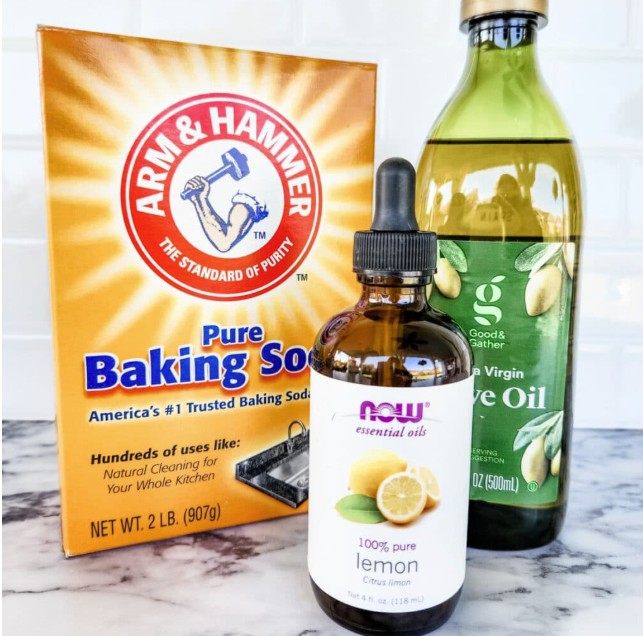
How to Make Your Own Goo Gone at Home
If you have ever tried to peel a sticker from a glass jar or scrub gum off a table, you probably already know the name Goo Gone. This citrus-scented cleaner built a reputation for helping homeowners conquer stubborn sticky messes from price tags, crayon, and all sorts of glue residue. But for anyone who checks ingredients or wants to save money, a DIY Goo Gone might be exactly what you need.
6 min read
0
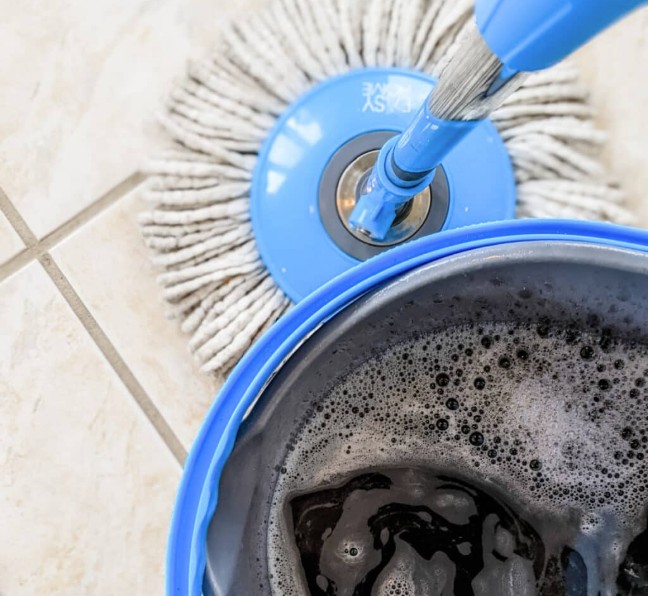
Easy Homemade Floor Cleaners: Save Money and Get Sparkling Results
Keeping floors spotless doesn’t require a shopping cart full of harsh chemicals. If you want clean vinyl, laminate, or tile floors (without the stinging smell or sticky residue), a DIY floor cleaner checks all the boxes. It’s safer for pets and kids, saves money, and helps shrink plastic waste. Plus, you control what goes into the mix—no mystery ingredients.
![How to Make a DIY Bleach Pen for Under $.25 [Step-by-Step Guide]](https://thefrugalones.com/wp-content/uploads/2025/06/Screenshot-2025-06-15-030622.jpg)
5 min read
0
How to Make a DIY Bleach Pen for Under $.25 [Step-by-Step Guide]
If you’ve ever stained a white shirt or wanted to try custom designs on fabric, you’ve probably run into the humble bleach pen. These handy tools let you target spills, tackle old mildew in grout, or doodle on dark T-shirts for custom patterns. Store-bought versions work well, but making a DIY bleach pen can save money, give you more control over strength, and opens the door for creative projects. Grab your kitchen gear—let’s get started.

7 min read
0
How to Know If a Money Saving Strategy Is Actually Worth It
There is a money saving strategy everywhere you look. Open an app or check your inbox, and you’ll find someone promising the newest way to save. Skip your daily coffee, buy in bulk, make everything yourself—the list goes on. But not every tip is worth it. Sometimes, trying to save actually ends up costing more. And does it make your life harder?

6 min read
0
Common Money Saving Mistakes and How to Dodge Them
Saving money is a great habit, but it can be tricky. Many people work hard to save but make choices that hurt their progress over time. To make your savings count and support your goals, you need more than just setting money aside. You also have to avoid habits that quietly undo your efforts. Here are some common mistakes to avoid when saving money, along with simple tips to keep your savings on track.
8 min read
0
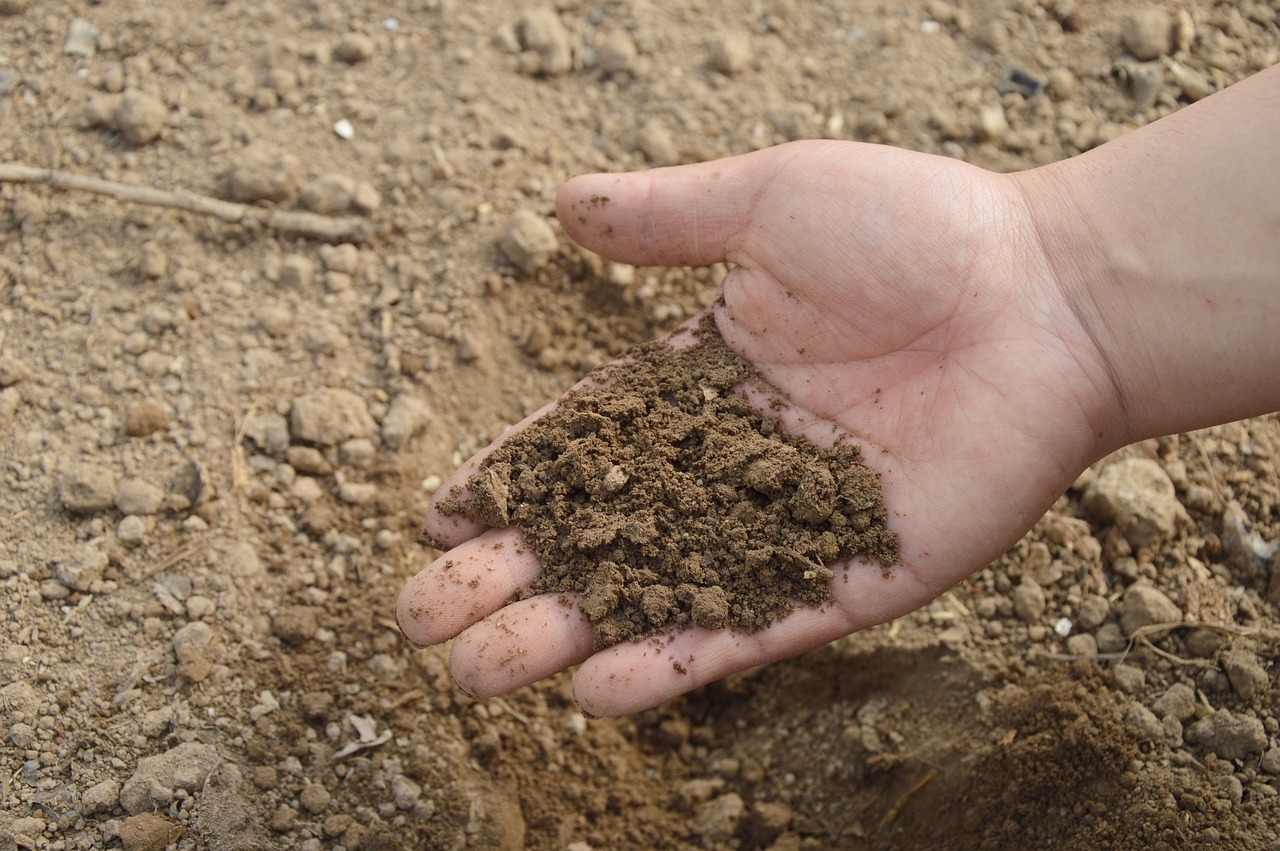
Five Common Soil Nutrient Deficiencies (And How to Treat Each One)
When you imagine a perfect yard or garden, you probably think of green plants and colorful flowers. But soil is just as important as the plants themselves. Healthy soil supports strong growth and steady blooms. Without the right nutrients in the soil, all your watering and planting may not help much. Yellow leaves or small plants usually mean the soil is missing something. Finding and fixing the soil nutrient deficiencies can bring a struggling garden back to life. When you know what your soil needs, your plants will grow better, and your garden will thrive.
![The Best Solutions for Yellow Tomato Leaves [Expert Advice 2025]](https://thefrugalones.com/wp-content/uploads/2025/06/tomatoes-1280859_1280.jpg)
10 min read
0
The Best Solutions for Yellow Tomato Leaves [Expert Advice 2025]
There’s nothing like growing tomatoes and picking one straight from the vine. It tastes richer and more real than any store-bought fruit. Tomatoes grow well everywhere—from tiny city balconies to large backyard beds. They reward gardeners of all skill levels. If you want fresh salads, juicy sandwiches, and a little neighborhood envy this summer, this guide will show you how.
7 min read
0
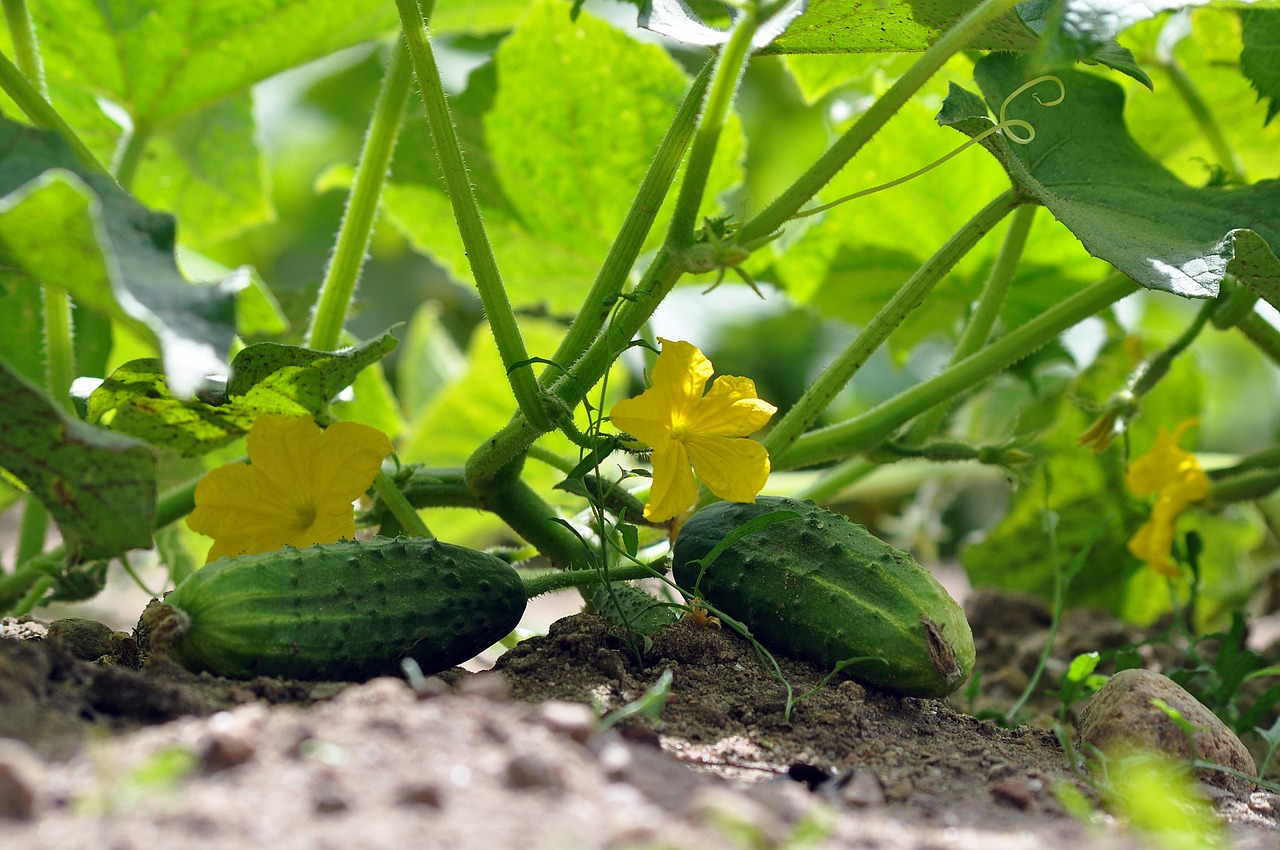
Your First Vegetable Garden: 11 Easy Choices for Beginners
Starting a vegetable garden is rewarding in many ways. You get fresh food right from your backyard or balcony. You also learn new skills and spend time outdoors. Gardening can feel overwhelming, especially if you’ve never grown food before. But here’s a simple tip: begin with easy vegetables. When plants almost take care of themselves, you gain confidence and want to keep going. Let’s focus on the easiest vegetables to grow.

7 min read
0
Take the 30-Day No-Spend Challenge: Hit Reset on Your Finances
A 30-day no-spend challenge is more than just saving money. It’s a way to reset how you handle spending and your daily habits. Most people start by choosing a set time to cut all extra purchases and focus only on what they truly need. Soon, you notice patterns—like morning coffee stops or random online buys—that quietly eat up your cash. As the days go by, you figure out what you really miss and what fades away from your routine. The biggest win isn’t always the money saved, though that can be a nice surprise. It’s the change in mindset. People say they feel lighter, more in control, and often come up with creative ways to meet their needs without spending. After a month, new habits stick. You might catch yourself asking, “Do I really need this?” weeks after the challenge ends. If you feel like your paycheck disappears too fast, trying this challenge can help you break that cycle and gain more confidence with money. See what changes for you.