





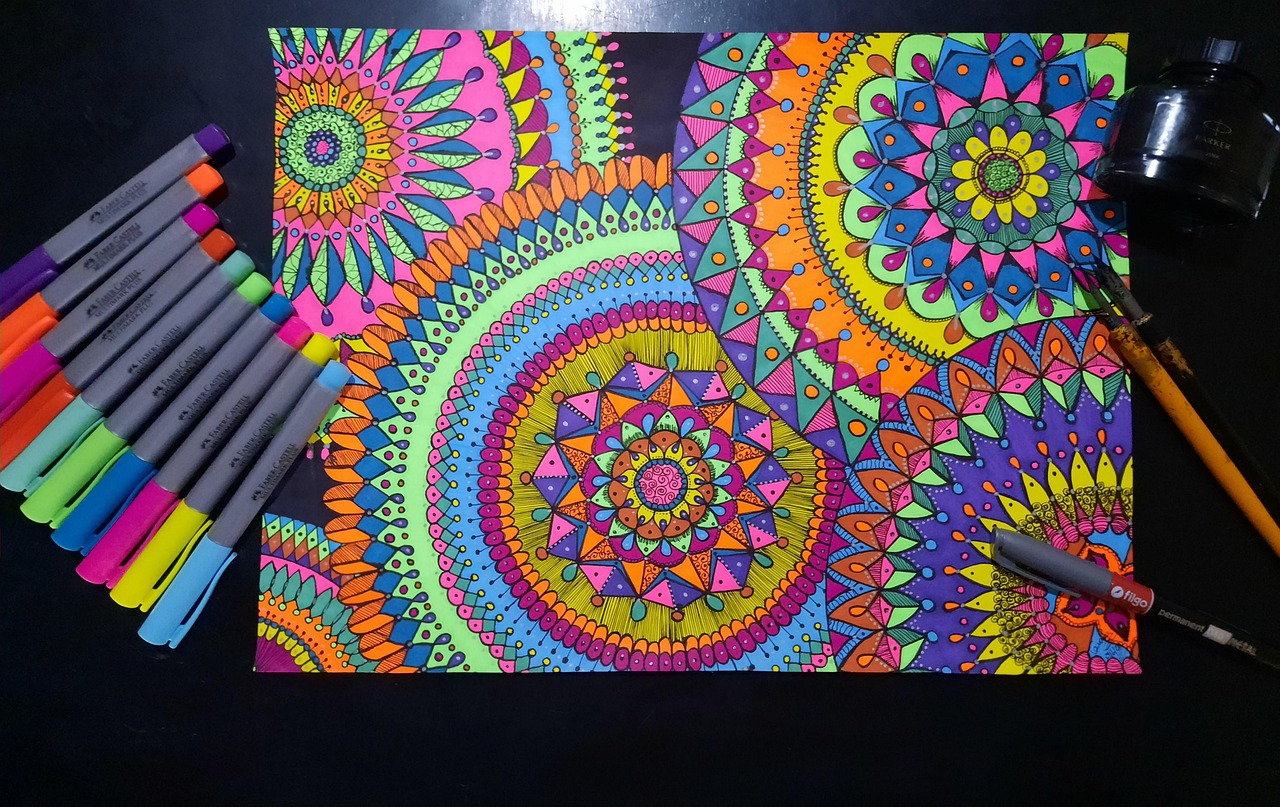
Coloring is no longer just a relaxing hobby. In 2025, you can actually make money coloring online, as a side hustle or even a full-time job if you treat it like a real business to monetize your artistic skills.
You can get paid to create and sell coloring pages and books, use apps that pay you to color, freelance for clients who need simple art, or turn your coloring into content on YouTube or a blog. Some of these can grow into steady passive income once your designs or videos are online and selling or getting views around the clock.
You do not need to be a perfect artist to start. Many buyers want simple, cute, easy-to-color designs, and a lot of tools help you polish your work without expensive gear.
This guide will walk you through the simple steps, from your first upload to your first payout. You will see what really works, what effort it takes, and how to start small with low cost and low risk.
Can You Really Get Paid to Color in 2025?
You really can get paid to color and earn money in 2025, but it works like any other creative side hustle to monetize your artistic skills. Some people earn coffee money from simple apps or a small shop. Others turn coloring into full-time income with large catalogs of pages, books, and content.
The main money makers are:
- Selling digital coloring pages or coloring books on sites like Etsy or Gumroad
- Using print-on-demand to sell physical books without buying inventory
- Coloring in apps that pay small rewards or cash
- Doing freelance coloring and illustration for clients
- Running YouTube channels or blogs about coloring
- Teaching coloring and simple design skills with classes or tutorials
Income ranges from a few dollars a week to a steady, job-like income. It depends on your art style, how often you upload, and how well you market your work. The rest of this guide will walk through each path so you can pick what fits your time, skills, and goals.
Why Coloring Is Still Popular and Profitable in 2025
Coloring still has strong demand in 2025 because people are stressed and want something simple that helps them relax. Coloring gives screen-free calm, similar to meditation, but feels easier and more playful.
Parents look for educational coloring pages that teach letters, numbers, shapes, and simple facts. Teachers and homeschoolers use printable coloring pages in classrooms and at home, so they buy bundles all year.
Adult coloring books remain popular too. Many adults enjoy detailed pages for mindfulness and mental health. Coloring helps with focus and can gently interrupt anxious thoughts.
On top of that, digital coloring apps have grown. Users pay for premium brushes, more designs, or ad-free access. At the same time, printable pages are popular because people want something they can use away from screens.
All this demand creates space for small side hustles. If you can create or color designs that relax, teach, or entertain, there are buyers and viewers ready for your work.

Realistic Earnings: Side Cash vs. Full-Time Income
Income from coloring starts small for most people. Think of it like planting a garden. The first month feels slow, but as your catalog grows, so does your pay.
Here is a simple, realistic breakdown:
- Apps that pay to color: Often just a few dollars a week or month to provide a small side income. Good for pocket money, not a living.
- Small Etsy or digital shop with a handful of coloring pages: Commonly 100 to 500 dollars per month once you have some traffic.
- Larger catalog of books, bundles, or print-on-demand products: Can reach 500 to several thousand dollars per month if you have many listings and steady buyers.
- Popular YouTube channel or blog about coloring: Income can come from ads, affiliate links, and product sales. This can start at a few dollars and grow into full-time income once you build a loyal audience.
Most people begin with side cash, then slowly build. The key is consistency, a growing back catalog, and simple marketing, not overnight success.
Simple Ways to Get Paid to Color: 20 Profitable Ideas
You do not need a huge audience or fancy art degree to earn from coloring. You just need to leverage your artistic skills, a few clear paths, some simple tools, and the patience to keep uploading and sharing your work.
Below are practical ways to get paid to color, grouped so you can see which path fits your skills, time, and comfort level.
Create and Sell Your Own Coloring Pages and Books
If you enjoy drawing, creating coloring pages is one of the most flexible and scalable ways to earn from coloring.
You can create coloring pages in three main ways:
- Draw by hand: Sketch on paper, ink your lines, then scan. Clean up in a tool like
Procreate,Photoshop, or free tools likeGIMPandKrita. - Use Canva or similar tools: Combine shapes, simple illustrations, and fonts to build coloring pages. Great for beginners and for more graphic or pattern-based pages.
- Use AI art tools carefully: Generate rough concepts, then trace, edit, and simplify the lines yourself so the final design is clean, original, and legal to sell.
Once you have designs, you can:
- Sell single coloring pages as instant download printables on Etsy, Gumroad, or your own site to sell coloring pages.
- Bundle related coloring pages into themed packs (for example, farm animals, mandalas, alphabet sets).
- Turn a larger set into a full coloring book.
You can offer:
- Digital downloads that buyers print at home to sell printables.
- Print books using print-on-demand platforms like Amazon KDP, Lulu, or IngramSpark.
A simple path is:
- Start with 10 to 20 pages in one niche, like kids’ animals or simple adult mandalas.
- Test them as digital printables and see what sells.
- Package your best work into a KDP coloring book for passive income.
Once you gain experience and a small catalog, you can turn your knowledge into a short online course for teaching art online. Teach beginners how to sketch, digitize, and publish simple coloring pages. You can host it on platforms like Skillshare, Udemy, or your own site.

Use Coloring Apps and Games That Reward You
Coloring apps will not replace a full-time job, but they are an easy way to earn small rewards while you practice.
Many mobile apps pay you in:
- Gift cards for stores like Amazon or Google Play.
- Coins or in-app points that you can trade for rewards.
- Small cash payouts through PayPal or similar services.
You usually earn by:
- Completing coloring levels or daily tasks.
- Watching ads between pictures or sessions.
- Joining events or challenges inside the app.
Payouts are small, often a few cents to a few dollars over time, so think of this as bonus money. The real value is that you get used to color choices, shading, and composition while you relax on your phone.
If you already spend time on games, switching some of that time to reward-based coloring apps can be an easy win.
Start a Coloring Brand: Blog, YouTube, or Social Media
If you like talking about coloring as much as you like doing it, building a small brand around your hobby can turn into serious income over time. To get started, create a YouTube channel for video content.
You can share:
- Tutorials on blending, shading, and picking color palettes.
- Speed coloring videos with relaxing music.
- Product reviews of markers, colored pencils, paper, and books.
- Tips for beginners, parents, and teachers.
Good platforms for this are:
- YouTube for longer tutorials and speed coloring.
- TikTok and Instagram for short clips, reels, and before/after shots.
- A niche blog for written guides, reviews, and SEO traffic.
Once you have consistent content and views, money can come from:
- Ad revenue on YouTube and your blog.
- Affiliate links to coloring supplies and books.
- Sponsorships from art brands and app companies.
- Digital products, like your own coloring pages, e-books, or mini courses.
This route fits people who enjoy teaching, talking on camera, or writing. It takes time to grow, but your content can pay you for years after you post it.
Offer Freelance and Personalized Coloring Services
If you prefer working one-on-one with clients, freelance coloring services can be a good fit.
You can offer:
- Flat coloring for comics and line art supplied by clients.
- Color palettes and mood boards for brands that want a certain vibe.
- Custom coloring pages with names, pets, or events for gifts and parties.
- Reviews of coloring tools or books for blogs and companies.
You can find clients on:
- Online marketplaces like Fiverr, Upwork, and similar freelance platforms.
- Local ads on Facebook groups, community boards, and schools.
- Your own website or social profiles, once you have a portfolio.
If you like to teach, you can also:
- Offer private coloring lessons online through Zoom or in person.
- Teach basics like shading, color theory, and how to finish a piece.
Many people use coloring for relaxation and emotional support. You can host gentle, non-clinical art sessions with interest in art therapy sessions that help people unwind, but do not call it therapy unless you are a licensed therapist. Focus on creative support and stress relief, not medical claims.
As you improve, you can seek work as a color artist in creative fields such as comics, storyboards, and simple game art that require high-quality illustrations. Clients often need someone to take clean line art and bring it to life with color.

Build Coloring Experiences and Local Events
Not all coloring money has to come from screens. You can turn your love of color into paid events and experiences in your community.
Simple starting ideas:
- Host a coloring workshop at a local library, café, or community center. Charge a small fee and include printed pages and basic supplies.
- Run children’s coloring playdates for parents. You provide age-appropriate pages, crayons, and simple games.
- Create and sell a coloring box subscription with monthly themed pages, small supplies, and a simple guide. You can ship boxes locally or sell them online.
- Offer color consultation and mood boards for people decorating a room or office as an interior design consultant. Use your eye for palettes to suggest paint colors, textiles, and accents.
- Organize or host coloring competitions for kids or adults, with entry fees and prizes (often sponsored by local businesses).
These ideas work best when you combine them with an online presence. Post photos, share sign-up links, and collect email addresses so you can fill future workshops and boxes more easily.
Start small, such as a low-cost workshop at a library, learn what people enjoy, then refine and repeat.
Turn Your Art into Products and Supplies
Once you develop a clear style and audience, you can move beyond pages and books into bigger products.
Some options include:
- Selling finished artwork online as prints, posters, or wall art on Etsy, Redbubble, or your own shop.
- Licensing your designs to brands for planners, stickers, fabrics, or stationery. You earn a fee or royalty while they handle production.
- Illustrating children’s books for self-published authors who need clear, simple line art that kids can color.
- Creating clip art, icon sets, and pattern packs for other creators to use in their own projects.
- Launching your own brand of coloring supplies, like markers, gel pens, or paper, by working with private label manufacturers.
These paths take more time, research, and some business skills. They make the most sense once you have:
- A recognizable style that people enjoy.
- A small but loyal audience that trusts your taste.
If you reach that point, your coloring hobby can grow into a real brand with multiple income streams, all built on your love of color.
How to Make a Coloring Book for Free With Canva and AI Tools
You can create a simple, good-looking coloring book at home without fancy software or a big budget. All you need is a free Canva account, a basic plan for how many pages you want, and (optionally) an AI image tool to help you with ideas.
The goal here is not perfection. The goal is a clean, fun coloring book that people enjoy coloring and that you can sell or share. Follow these steps and you will have a real, printable book at the end.
Step 1: Choose a Theme That People Actually Want
A clear theme makes everything easier. It tells buyers what they are getting and keeps your designs focused.
Popular coloring book themes include:
- Cute animals (cats, dogs, farm animals, zoo animals)
- Cozy homes and interiors (living rooms, kitchens, tiny homes)
- Mandalas and patterns
- Kids learning pages (letters, numbers, shapes, trace-and-color)
- Holidays and seasons (Christmas, Halloween, Easter, summer fun)
- Positive affirmations with simple frames or doodles
You do not need a brand-new idea. You just need a clear angle. A narrow niche often works better than something broad. For example:
- Instead of “cats,” use “cozy cat cafés”
- Instead of “animals,” use “kawaii baby farm animals”
- Instead of “affirmations,” use “confidence affirmations for teen girls”
To check demand, spend 10 to 15 minutes doing simple research:
- On Amazon, type your idea plus “coloring book,” then see how many results appear and what covers stand out.
- On Etsy, search for your theme and look at the top sellers and their styles.
- On Google Trends, search your theme (for example, “mandala coloring book”) and see if interest is steady or rising.
If you see many books and steady interest, that is good. It proves people buy in that niche. Your job is to add your own twist, not reinvent the wheel.

Step 2: Create Coloring Pages with Canva and AI
You can create the actual pages in a few different ways. Pick what feels easiest for you.
Common methods:
- Hand drawing: Draw with a black pen on white paper, keep lines bold, then scan or photograph your drawing.
- Tablet drawing: Use a tablet and app like Procreate, then export your line art.
- AI images: Use tools like DALL·E, Midjourney, or similar to generate black-and-white drawings, then edit and clean them.
No matter which method you choose, you want high-quality illustrations with clean black outlines and no shading or gray areas.
Here is a simple way to clean your line art in Canva:
- Open Canva and create a custom design that matches your page size (for example, 8.5 x 11 inches).
- Upload your drawing or AI image.
- Use the Edit photo tools to boost contrast so the lines are darker and the background is white.
- If needed, use “Background Remover” (in Canva Pro) or a free online background remover, then re-upload to Canva.
- Resize the art so it fits nicely on the page and stays away from the edges.
Aim for thick, clear lines. Thin, scratchy lines do not print well and are harder to color.
If you use AI:
- Check the license on the tool you use and make sure it allows commercial use.
- Avoid copying another artist’s style too closely.
- Treat AI output as a starting point, then tweak, simplify, or trace to make it more original.

Step 3: Assemble Your Book and Format It for Print
Once you have a batch of finished pages, you can turn them into a real book inside Canva.
A simple setup looks like this:
- Page size: 8.5 x 11 inches (standard US letter, popular for coloring).
- Page count: 25 to 50 coloring pages is common.
- Extra pages: Add a title page, copyright page, and a short “How to use this book” page.
In Canva:
- Create a new 8.5 x 11 inch design.
- Add a title page with your book name, subtitle, and your name or pen name.
- Add a copyright page with the year, your name, and a simple “All rights reserved” line.
- Add each coloring page as a new page in the design.
- Leave enough margins, especially on the left side, for binding on print platforms.
- Leave some white space around the art so markers do not bleed onto the edges or spine.
Many creators also put one coloring page per sheet and leave the back side blank. This reduces bleed-through from markers and feels nicer for the buyer. To do this, you can add a short note or a simple logo on the blank page, or just leave it empty.
When everything looks good, export your interior as a PDF Print with high quality settings.

Step 4: Publish on Amazon KDP or Sell as a Digital Download
After your PDF is ready, you can make money from it in two main ways: print books or digital downloads.
For Amazon KDP (print-on-demand books) to self-publish your book:
- Create a free KDP account.
- Start a new paperback project.
- Choose your trim size (8.5 x 11 to match your Canva file).
- Set the interior as black and white on white paper.
- Upload your interior PDF.
- Create a simple cover in Canva that matches KDP’s size template, then upload it.
- Use a keyword-rich title, like “Cozy Cat Café Coloring Book for Adults” instead of just “Cat Coloring Book.”
- Write a clear description that explains who it is for and what is inside.
For digital downloads:
- Upload your PDF (or single pages) to Etsy, Gumroad, or Payhip.
- Offer full books, themed bundles, or digital coloring pages.
- Use clear thumbnails that show a few sample pages.
A smart approach is to test coloring pages as printables first. If a set of pages sells well as downloads, turn it into a full KDP book. This lowers your risk and helps you focus on themes that people already pay for.
Where to Sell Coloring Books and Pages Online
You have your designs ready, now you need the right platforms for selling artwork online. Different platforms suit different goals, like quick sales, passive income, or building your own brand. Think of your coloring work like a small library. Each page or book is a title on the shelf. The more shelves you use, the better your chance of steady income.
Etsy: The Best Place to Start for Creative Sellers
Etsy is a friendly starting point to launch your Etsy store for digital coloring pages and printable books. Buyers already come here looking for printables, kids activities, and adult coloring, so you are not trying to teach people what a digital download is.
Etsy uses a simple fee system:
- A small listing fee for each product you upload
- A small percentage of each sale as a transaction and processing fee
You only pay more when you sell, which keeps risk low when you are new.
Your success on Etsy comes from search and visuals. Etsy search looks at:
- Your title
- Your tags (up to 13)
- Your description
- How well buyers engage with your listing
Use clear keywords that a buyer would type to sell coloring pages, such as “kids dinosaur coloring pages,” “printable mandala bundle,” or “ABC tracing coloring book.” Mix broad and specific terms in your tags so your listing can show up in more searches.
Good previews matter just as much as good keywords. Aim for:
- Clean mockups that show your pages printed or in a binder
- Close-up shots of line art so buyers can see detail
- One image that explains what they get (page count, size, theme)
You can create simple mockups in Canva by placing your pages onto stock images of clipboards, desks, or tablets.
To boost sales, think beyond single pages:
- Bundles (for example, 30 farm animals for preschool) give buyers more value and raise your average order.
- Seasonal packs for holidays, summer break, back-to-school, or Christmas keep your shop active all year.
Start with a few strong listings, then slowly grow your catalog. Etsy tends to reward active shops that add new items often.
Amazon KDP: Reach Millions with Print-on-Demand
Amazon KDP lets you sell physical coloring books without printing or shipping anything yourself. You upload your interior and cover once. When a customer orders, Amazon prints the book, ships it, and pays you a royalty per copy.
The big pros are clear:
- No inventory or upfront printing costs
- Huge reach, since your book appears on Amazon stores worldwide
The trade-offs:
- Lower margins, because Amazon takes a large share to cover printing and shipping
- Heavy competition, especially in popular niches like mandalas or cute animals
To stand out, treat your books like a series, not one-off projects. For example:
- “Cute Ocean Animals Coloring Book 1, 2, and 3”
- A learning series for kids by age or skill level
- A themed adult line of adult coloring books, such as cozy homes, cafés, or garden scenes
These creative ideas for a series help you:
- Reuse ideas and layouts
- Cross-promote between books
- Build trust with repeat buyers
KDP search works like Etsy. You need strong keywords in your title, subtitle, and description. Check your keywords every few months, see which phrases get traffic, and adjust your listing text. Over time, a shelf of related books can bring in steady, passive income with very little extra work after upload.

Gumroad, Payhip, and Creative Market: Sell Digital Pages Directly
Platforms like Gumroad, Payhip, and Creative Market, great online marketplaces, are ideal when you want to sell pure digital files and keep more of each sale. You upload your PDFs once, set a price, and buyers get instant access.
These sites do not bring as much built-in traffic as Etsy or Amazon, so they work best when you send your own audience there. You can link to your products from:
- Social media profiles and posts
- Your email list
- Your blog or YouTube channel
The big advantage is higher profit per sale and more control over pricing, coupons, and bundles.
These platforms are also great for selling:
- Design elements, such as borders, patterns, frames, and icons that other creators use to build coloring pages
- Commercial-use coloring pages, where buyers get a license to use your line art in their own products or classroom materials
If you sell commercial rights, write a short, clear license. Explain what buyers can do (use in books, use in printables) and what they cannot do (resell the raw files as-is).
Use your Etsy or KDP presence to attract buyers, then invite your biggest fans to shop on Gumroad, Payhip, or Creative Market where you keep a larger share.
Lulu, IngramSpark, and Local Printing: Bulk vs Print-on-Demand
Print-on-demand (POD) services like Amazon KDP, Lulu, and IngramSpark let you upload a file once and print copies only when someone orders. You avoid boxes of unsold books in your closet and keep upfront cost low.
A quick comparison:
| Option | Upfront Cost | Risk Level | Reach |
|---|---|---|---|
| Amazon KDP (POD) | Very low | Low | Very high, mostly online |
| Lulu / IngramSpark | Low | Low | Good, strong for bookstores |
| Local bulk printing | Higher | Higher | Local fairs, shops, schools |
Lulu and IngramSpark often give you more control over print quality, formats, and where your book appears in bookstore catalogs. They are useful if you want to approach indie bookstores or libraries.
Bulk printing means you pay to print a set number of books at once, usually at a lower cost per copy. This makes sense only when you already see demand. A smart path is:
- Start with POD on KDP or Lulu.
- Track which books sell well for several months.
- Bulk print a small run of your best title for local craft fairs, markets, schools, and indie bookstores.
At local events, you can charge more, sign books, and bundle them with crayons or printed bonus pages. Teachers, parents, and gift shoppers love flipping through real books before they buy.

Build Your Own Website and Back Catalog for Recurring Income
Long term, you get the most control and profit by building your own simple website or shop. This can be a basic site on platforms like Shopify, WooCommerce, or a simple page with Gumroad links.
Your site becomes:
- Your home base, where all your products live
- A place to collect email addresses from people who like your work
- A hub that you can grow for years
The key idea is a back catalog. Instead of relying on one hit product, you slowly build dozens of pages, packs, and books. Each one might only earn a few dollars per month, but together they add up.
You can support your shop with content to promote your coloring pages, such as:
- A blog with coloring tips, supply reviews, and free sample pages
- Create a YouTube channel with coloring demos, flip-throughs of your books, and behind-the-scenes videos
In every piece of content, point viewers back to your main shop, where you keep your best margins and full control over pricing.
Treat your website like a long-term garden. You plant products and posts over time, keep sending people back, and let the small, steady sales grow into real recurring income.
Freelance Coloring, Teaching, and Services You Can Offer
Passive income from books and printables is great, but active income often pays you faster to earn money. You can start offering services using your artistic skills even with a small portfolio and no audience, as long as your offers are clear and simple.
Think of this section as a menu. Pick one or two services you can start with this month, then grow from there.
Offer Custom Coloring Pages and Commissions
Custom coloring pages work well because people love seeing their own names, pets, and events turned into simple line art or flat coloring. You do not need advanced drawing skills, only clear lines and fun ideas.
Common custom requests include:
- Birthdays: name pages, age numbers, party themes, printable placemats
- Weddings and showers: kids activity sheets, “color the couple” pages, table games
- Teachers and schools: classroom worksheets, reward pages, themed packs
- Brands and small businesses: logo coloring pages, simple mascots, promo sheets
- Kids and families: pets as cartoon characters, “my family” coloring pages
These can even position you as book illustrators for children’s stories or similar projects.
You can sell these on:
- Fiverr: create clear gigs like “custom name coloring page in 48 hours”
- Etsy custom orders: add a listing for “personalized coloring page” and invite custom requests
- Social media DMs: share samples on Instagram, TikTok, or Facebook and invite people to message you
Keep your offer simple and clear:
- Pricing: set a base commission fee per page, then add extra fees for more detail or faster delivery
- Samples: show 3 to 5 finished pages so buyers know your style and level
- Turnaround time: pick a time you can meet, for example “2 to 4 business days per page”
A basic structure that works well is: one sketch, one revision, then final high-res PDF. That keeps you from doing endless changes for the same fee.
Teach Coloring Classes, Workshops, and Playdates
Teaching is one of the fastest ways to turn coloring into cash, even with a tiny following. You can run:
- Online Zoom classes for teaching art online to adults who want a relaxing hobby
- In-person workshops at libraries, cafés, community centers, or art stores
- Small kids playdates in homes or safe spaces, where parents stay nearby
Keep classes light and simple. You are not running an art school, you are giving people a calm, fun hour.
Good beginner topics:
- Basic shading: light vs dark, where shadows fall, simple gradients
- Color harmony: how to use 2 or 3 colors that work well together
- Relaxing routines: music, warm up doodles, simple patterns to calm the mind
To make it work smoothly:
- Pick one focus per class, like “shading skin” or “soft pastel palettes.”
- Use easy supplies, such as basic colored pencils or markers.
- Give a simple handout or PDF with a few practice pages.
Always check local rules before working with children. Some areas need background checks, parent consent forms, or special licenses for kids programs.
Teaching does more than pay by the hour. It also:
- Builds authority, since students see you as “the coloring person”
- Helps you sell printables, books, and custom pages to people who already trust you
You can start with one low-priced workshop, gather feedback, then raise your rates as you gain confidence.

Test and Review Coloring Products for Brands
If you enjoy trying new pens and paper, product reviews can grow into steady active income. You can review:
- Markers, colored pencils, gel pens, brush pens
- Different types of paper and sketchbooks
- Coloring books and printable packs
- Coloring and drawing apps
Share your reviews on:
- YouTube: full reviews, swatch tests, and coloring demos
- TikTok or Instagram: short “first impression” clips and quick tips
- A blog: written reviews, photos, and comparison posts
There are four main ways this can pay:
- Affiliate links: you earn a cut when someone buys through your link
- Sponsorships: brands pay you to feature a product
- Free products: you save money on supplies
- Ad revenue: YouTube and blogs can pay for views
Always follow basic disclosure rules. If a brand sends you a product or pays you, say it clearly in your video or post. Simple lines like “This video is sponsored by…” or “I got this set for free to review” keep you honest and build trust.
Start by reviewing supplies you already own. Once you have a few solid reviews, you can reach out to small brands and show them your work.
Become a Color Consultant or Art Coach
Color consulting sounds fancy, but at its core you help people feel good about color choices. You are not giving therapy, you are offering creative guidance.
You can help clients with:
- Rooms and homes: paint colors, accent pieces, simple palette ideas, much like an interior design consultant
- Logos and branding: friendly vs bold colors, how a palette feels
- Personal style: colors that suit a person’s mood or taste
- Hobby artists: how to fix muddy colors, pick palettes, and finish pieces
Package your services so they are easy to understand. For example:
- “One-hour color session on Zoom, with a custom mood board and 3 palette options”
- “30-minute review of your coloring pages, with written feedback and palette tips”
- “Brand color starter pack with 2 main palettes and simple usage notes”
You can deliver mood boards and palette ideas as:
- A simple Canva PDF
- A shared Pinterest board
- A one-page guide with color codes and examples
Make it clear that you do creative coaching, not art therapy sessions or mental health care. You help with color choices, style, and confidence, not diagnosis or treatment.
Start by offering a few low-priced sessions to friends, followers, or local businesses. Ask for testimonials and permission to share before-and-after examples. That proof makes it easier to raise your rates and book more clients over time.
Bonus Income Streams: Licensing, Supplies, and Long-Term Growth
Once your basic coloring products are selling, you can start thinking bigger. Instead of relying only on single-page sales or one book at a time, you can grow into licensing deals, branded supplies, and a long-term creative career that pays in many different ways.
These paths take more planning, but they also move you closer to a real coloring brand, not just a side hustle.
License Your Coloring Designs to Brands and Publishers
Licensing sounds fancy, but the idea is simple. You keep ownership of your artwork, and a brand pays for permission to use it on their products.
Your designs might appear on:
- Coloring books, activity books, or children’s books from publishers
- Mobile apps or digital coloring platforms
- Stationery, stickers, planners, or fabric
- Merch like tote bags, pencil cases, or mugs
You are not selling your art outright. You are granting a company the right to use it in certain ways, usually for a set time, place, and product type. In return, you receive a flat fee, royalties, or both.
To get started:
- Put together a small portfolio of your best high-quality illustrations in clean line art. Aim for 20 to 40 pieces in a clear style.
- Add a simple copyright notice on each image or in the footer, such as “© 2025 Your Name. All rights reserved.”
- Save high-resolution files in organized folders so they are easy to share when asked.
You can look for licensing opportunities by:
- Reaching out to small brands that already sell coloring books, stationery, or kids products
- Contacting app developers that use line art or sticker-style graphics
- Listing your work on licensing marketplaces (where buyers browse existing art and pay to use it) or selling artwork online via platforms like Etsy and Redbubble
Always pay attention to contracts. Read how your work will be used, what you get paid, and for how long. If you can, do a bit of research on basic licensing terms or talk to a legal professional, even for a short consult. That small step can protect your long-term rights and income.
Licensing can turn one strong design into passive income across many products, often for years, while you keep creating new artwork.
Create and Sell Your Own Coloring Supplies
Once you have a loyal audience that trusts your taste, you can offer your own branded supplies. People who enjoy your pages often want to know which tools to use, and some will happily buy items with your name on them.
You do not need to build a factory. Two simple options work for most creators:
- Private label suppliers: You buy pre-made pens, pencils, or sketchbooks, then add your logo and custom packaging.
- Print-on-demand: You design covers or labels, and a third-party company prints and ships items like notebooks, pencil cases, or storage tins as orders come in.
Here are some creative ideas for products that coloring fans include:
- Colored pencil sets and fine-liner pens
- Sketchbooks or coloring journals with your art on the cover
- Pencil wraps, zipper pouches, or organizers
- Accessories like pencil labels, swatch cards, and brush holders
This path usually makes sense after you have built some kind of audience, even a small one. That could be an email list, a growing Instagram, a YouTube channel, or repeat buyers from your Etsy shop.
To test the idea without a big risk, start tiny:
- Sticker sheets with your characters or color palettes
- Printable color charts where people can swatch their pencils and markers
- Simple notebooks or journals through print-on-demand
Watch which items sell and what your audience talks about. Over time, you can move from small accessories to higher-value products like pencil sets or premium sketchbooks.
This shifts you from “just another Etsy seller” to someone with a mini brand that people recognize by name and style.
Turn Your Coloring Skills into a Long-Term Career
If you enjoy this work and want more than side income, you can build coloring into a long-term creative career. The trick is to mix several small income streams so you do not depend on only one.
Here are parts that often fit together:
- Freelance work: custom pages, client projects, flat coloring, and simple illustration jobs
- A catalog of books: multiple themed coloring books on KDP or other print platforms
- Digital products: printable pages, bundles, clip art, and design elements
- Content channels: a blog, YouTube, or social accounts that bring in ad money and affiliate income
- Teaching and workshops: paid classes, live sessions, and short online courses
- Licensing deals: brands paying to use your art on products and apps
Each piece might be small on its own, but together they can add up to real, stable income over time.
To keep everything moving, focus on a few core skills:
- Basic marketing: writing clear product descriptions, taking decent photos, using keywords, and emailing your list
- Time management: planning weekly blocks for drawing, uploading, and promotion so you keep growing your catalog
- Learning new tools: trying better design software, new platforms, or simple automation that saves you time
The best part is flexibility. You can work from home, choose your projects, and adjust your schedule around family or a day job. As your catalog and brand grow, more of your income can come from older work that keeps selling while you sleep.
Think of each book, video, or class as another brick in a house. Over a few years, that house can become a full-time creative business built on something you already enjoy: coloring.
Quick FAQ: Common Questions About Getting Paid to Color
Here are quick, clear answers to the questions beginners ask most before they start making money from coloring.
Is Coloring a Real Way to Make Money or Just a Hobby?
Coloring can be both a relaxing hobby and a real income source. People already get paid to color or create coloring content in different ways.
Common real jobs include:
- Book illustrators and colorists who work on children’s books or activity books
- Freelance colorists for comics, printables, and simple client projects
- YouTubers and content creators who share coloring videos, reviews, and tutorials
- Teachers and educators who sell worksheets and coloring packs online
For many people, it starts as hobby income, then grows into a side hustle. A smaller group turns it into a full-time job by building a catalog of books, digital products, and content over a few years.
How Much Can I Earn from Coloring Books and Pages?
Income depends on your volume, quality, and marketing.
A simple range:
- Beginners with a few coloring products: about 20 to 300 dollars per month
- Intermediate sellers with several books and bundles: about 300 to 1,500 dollars per month
- Advanced creators with strong marketing and many products: 1,500 dollars per month or more
These books still sell well in 2025 because parents, teachers, and stressed adults keep buying them. To stand out, focus on:
- A clear theme that buyers understand in 2 seconds
- Clean line art that prints well and is easy to color
- Strong covers that look good as small thumbnails
Better covers and focused themes often double or triple your sales compared to similar art with weak presentation.
Where Should I Sell My Coloring Pages First?
Start simple so you do not get stuck.
A good starter setup:
- Etsy for digital downloads (single pages, bundles, printable books)
- Amazon KDP for print books, since they handle printing and shipping
Once you have a few sales and understand what people like, you can:
- Add Gumroad or Payhip to sell directly to your audience
- Bring copies to local fairs, markets, and schools for in-person sales
Begin on one or two platforms, learn what works, then slowly add more.
Do I Need to Copyright My Artwork?
In many countries, your original art is protected automatically when you create it and save or publish it. You often do not need to file anything for basic protection.
However, formal registration (where available) can give you stronger legal proof if someone steals your work. It can also help if you ever need to take legal action. Laws vary by country, so always check local rules if this matters for you.
At a minimum:
- Add a simple notice to your files or products, such as:
© 2025 Your Name. All rights reserved. - Do not copy or trace other artists’ work or stock images that you do not have rights to use
This is basic awareness, not legal advice. If you plan a large brand or big deals, talk to a legal professional.
What Makes Great Coloring Pages That People Love?
Pages that get great reviews usually share a few traits:
- Clear theme so buyers know who it is for and what to expect
- Clean, dark lines without fuzzy edges or messy shading
- Not too crowded so there is room to color without stress
- A relaxing flow from easier pages to slightly harder ones
- One-sided pages so markers do not bleed into another design
- For print books, decent paper that handles pencils and light markers
When your pages are easy and fun to use, people finish them, come back to it, and often buy from you again. Better user experience leads to better reviews, and those reviews help you sell more over time.
Conclusion
You have seen that coloring can be more than a quiet hobby. With simple tools and a bit of focus, you can make money from it in 2025. You can start with easy steps, like creating a few digital coloring pages in Canva, uploading a test book to KDP, or trying a coloring app that can provide a small side income.
From there, you can grow into bigger paths like books, digital shops where you sell coloring pages, freelance work, or a small coloring brand. The people who win are not the most talented artists. The ones who stick with it, improve a little each week, and build a catalog of work are the ones who see steady results.
Do not try to do everything at once. Pick one path to test this week. Maybe that means designing your first printable page, choosing to sell printables on Etsy, or filming a short coloring video on your phone. Pick one of the creative ideas.
Give yourself a clear, small next step. Then finish it, even if it looks rough. You can always improve the second version.
If you start now, a month from today you will have real products or content online that could help you earn money from coloring. Open your tools, choose one idea, and create your first test page or listing today.